
The Allure of Gambling
Gambling has captivated human interest for centuries, largely due to the thrill associated with risking money for a potential reward. The allure of casinos operates on a psychological level that integrates excitement, uncertainty, and the possibility of winning. This dynamic draws individuals into a world filled with flashing lights, enticing sounds, and an atmosphere that radiates energy and chance. Many players are now turning to online platforms that offer the best online casinos , designed to immerse visitors in a sensory experience that elevates this excitement, compelling them to engage and spend more time and money.
Another critical aspect of why people are drawn to gambling is rooted in the psychology of risk and reward. Neurologically, the human brain releases dopamine, a neurotransmitter linked to pleasure, when we anticipate a win or experience a win. This chemical reaction creates an addictive loop, where the thrill of a gamble leads to repeated behaviors despite potential losses. Gamblers often chase this feeling, which pushes them further into the gambling cycle, making it hard to resist the next game or bet.
Furthermore, the environment within casinos plays a substantial role in psychological attraction. The layout of a casino is systematically designed to encourage prolonged gambling activities. Slot machines are positioned near high-traffic areas, and the absence of windows and clocks eliminates the awareness of time passing. These design elements create a unique bubble that fosters an immersive experience where gamblers lose their sense of reality, further enhancing the psychological appeal of gambling. The combination of these factors creates an enticing atmosphere where the thrill of the game can easily overshadow rational decision-making.
The Role of Cognitive Biases
Understanding cognitive biases is essential in analyzing gambling behavior in casinos. Players often fall prey to the illusion of control, where they believe their skill or strategy can influence random outcomes, especially in games of chance. This cognitive distortion creates a false sense of confidence, leading players to make irrational decisions based on the belief that they can affect the game’s outcome. For instance, a card player may believe that their intuition can guide them in selecting the correct cards, completely disregarding the statistical randomness of the game. This belief can lead to a cycle of betting that is driven by emotion rather than logic.
The gambler’s fallacy is another common cognitive bias prevalent in casino environments. This phenomenon occurs when players mistakenly believe that past events can influence future outcomes in random games. A gambler may think that after a series of losses, a win is increasingly likely. This misconception can lead to chasing losses and continued betting beyond rational limits. Cognitive biases reinforce the cycle of gambling, as individuals often ignore statistical realities and cling to their unfounded beliefs about winning. They may convince themselves that they are “due” for a win, perpetuating their gambling behavior.

Social influences also contribute to cognitive biases in gambling. Peer pressure can amplify the desire to gamble, with individuals feeling compelled to conform to group behaviors. When surrounded by others who are winning or enjoying their time, players may be more likely to engage and increase their bets, reinforcing both cognitive biases and risky behaviors. The social aspect of casinos adds another layer to the already complex psychological motivations behind gambling. This communal experience can create an environment where individuals feel validated in their actions, further blurring the line between entertainment and addiction.
Addictive Behaviors and Gambling
Gambling addiction is a significant psychological issue that affects many individuals. It mirrors other forms of addiction due to the changes it inflicts on the brain’s reward system. For those struggling with gambling addiction, the urge to gamble can overshadow rational thoughts, leading to compulsive behavior that negatively impacts their lives. Many gamblers prioritize betting over essential needs, relationships, and responsibilities, highlighting the destructive nature of this addiction. The craving for the thrill of the game can become overwhelming, leading to a downward spiral of negative consequences.
The psychological components of gambling addiction include emotional triggers such as stress, loneliness, or boredom. Individuals may turn to gambling as a means of escape or a source of excitement when other aspects of life feel mundane. Over time, reliance on gambling to cope can become a vicious cycle, where the repercussions of financial loss further amplify negative emotions, thus driving the individual back to gambling for temporary relief. This cycle can be incredibly difficult to break without proper intervention and support. The emotional highs associated with winning can lead to a strong reinforcement of gambling behaviors, making recovery challenging.
Treatment options for gambling addiction emphasize understanding the psychological underlying factors and addressing them. Therapy, counseling, and support groups can help individuals develop healthier coping strategies and recognize triggers. Cognitive-behavioral therapy, for instance, is effective in altering negative thought patterns and behaviors associated with gambling. By addressing the psychological roots of addiction, individuals can work towards recovery and regain control over their lives. Support networks, both online and in-person, play a crucial role in providing the necessary encouragement and resources for individuals seeking to overcome gambling addiction.
The Impact of Technology on Gambling Psychology
The advent of technology has transformed the gambling landscape, leading to the rise of online casinos and mobile gaming. This shift has introduced new psychological challenges, as the convenience and accessibility of online gambling can exacerbate addictive behaviors. With the ability to gamble from anywhere at any time, individuals may find themselves more prone to impulsive betting, further complicating addiction issues. This shift highlights the importance of understanding how technology influences gambling psychology and behavior in the modern context of entertainment.
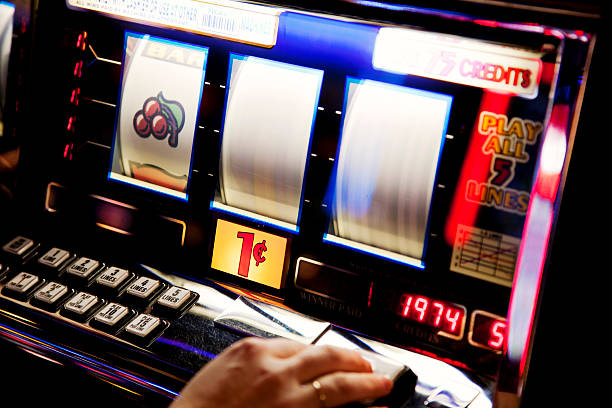
Online gambling platforms utilize psychology-driven marketing strategies that entice players through promotions and rewards. These strategies often leverage personalization, making users feel valued and encouraging them to gamble more frequently. The instant gratification provided by online gambling can also enhance the thrill associated with gaming, as players can immediately see results. Consequently, this immediate feedback loop reinforces the psychological urge to continue gambling, blurring the lines between entertainment and compulsion. The design of these platforms often mimics the sensory experience of a physical casino, further drawing players in.
Moreover, social features embedded in online gaming, such as live dealer games or online communities, can create a sense of shared experience akin to a physical casino. This social interaction can enhance feelings of belonging and excitement, further drawing participants into the gambling world. The psychological impact of community engagement in online gambling environments can create a false sense of security and camaraderie, which may further encourage excessive gambling behaviors. Understanding the technological impact on gambling psychology is crucial for both players and industry stakeholders, as it highlights the need for responsible gaming measures to protect vulnerable individuals from escalating their gambling behaviors.
Resources for Responsible Gambling
For individuals seeking assistance with gambling issues, many resources are available to foster responsible gambling habits. Many casinos are increasingly focusing on promoting responsible gaming practices, offering resources and support systems to help those affected by gambling-related problems. They often provide information on setting limits, recognizing harmful behaviors, and accessing professional help. These initiatives emphasize creating a safe environment for players and encourage a healthier relationship with gambling. By providing educational resources, casinos can empower players to make informed choices.
National and local organizations dedicated to addressing gambling addiction also play a crucial role in raising awareness and providing support. They offer helplines, counseling services, and educational materials designed to help individuals and families understand gambling addiction’s psychological aspects. These resources can empower individuals to make informed decisions about their gambling habits and encourage them to seek help when necessary. Awareness campaigns and community outreach initiatives are vital in reducing the stigma surrounding gambling addiction.
Finally, online platforms focused on responsible gambling provide tools for self-assessment and self-exclusion. These features allow gamblers to take control of their habits by setting deposit limits or temporarily banning themselves from specific gaming sites. Such measures promote self-awareness and help mitigate the risks associated with gambling. By fostering a deeper understanding of the psychological aspects of gambling, individuals can learn to navigate their experiences more healthily and responsibly. Through collaboration between casinos, organizations, and individuals, a more supportive framework can be established to address gambling addiction effectively.
Recent Comments