
The cultural significance of gambling across different societies a Pin-Up exploration
The Historical Roots of Gambling
Gambling has been a part of human culture for thousands of years, with evidence of its existence found in ancient civilizations such as the Chinese, Egyptians, and Romans. Early forms of gambling included dice games, betting on animal fights, and participating in rudimentary card games. The artifacts from these periods indicate not only the popularity of these games but also their acceptance and integration into social rituals and celebrations. Today, platforms like https://casino-pinup.ng/bonuses/ showcase how these historical roots have evolved into contemporary practices, including a variety of enticing experiences and Pin Up Bonuses.
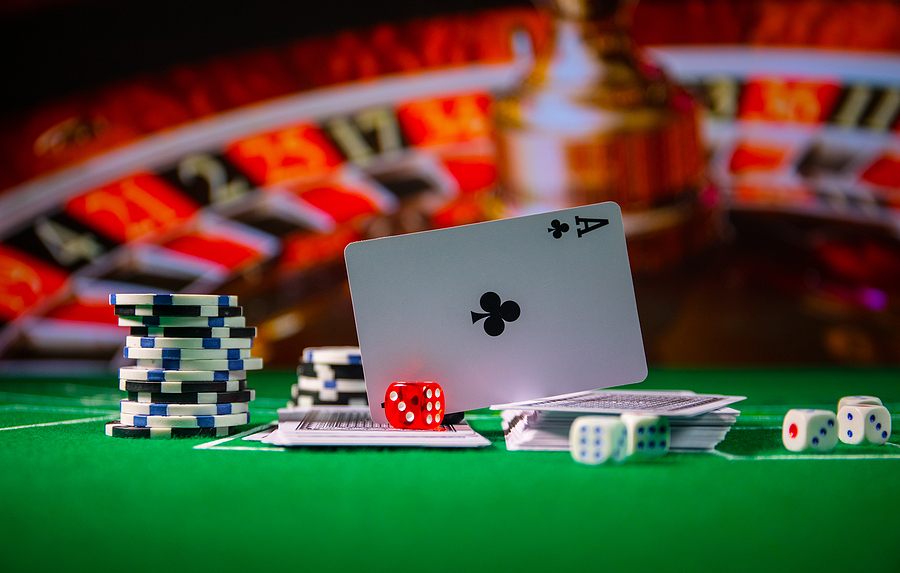
In ancient Rome, gambling was a common pastime among the populace, often taking place during public festivals. The emperors themselves would promote games of chance to boost morale and entertainment in their communities. Additionally, in ancient China, gambling was associated with divination practices, intertwining luck and fate, and reflecting a culture that revered both chance and destiny.
The evolution of gambling practices through history mirrors the development of societies themselves. As trade routes expanded, new games and methods of betting were introduced, influenced by cultural exchanges. The spread of gambling practices from one region to another helped shape local traditions and social norms, making it a significant aspect of cultural identity in many communities.
The Social Functions of Gambling
In many cultures, gambling serves as more than just a form of entertainment; it acts as a social glue that binds individuals together. Whether through friendly poker games or large community events centered around sports betting, gambling fosters interaction and creates opportunities for social bonding. Many traditional games are associated with specific festivals or gatherings, highlighting their importance in communal life.
Moreover, gambling can provide a sense of belonging among participants, especially in communities where such activities are a norm. For example, in Indigenous cultures, traditional gambling games often serve ceremonial purposes, promoting cultural values and unity. These social functions reinforce relationships, create networks, and establish a sense of identity within the group. In contrast, the various Pin Up Bonuses available today reflect a different approach to this traditional pastime.
However, it’s essential to recognize the dual nature of gambling. While it can unite people, it can also lead to social issues such as addiction and financial problems. Different societies have developed varying attitudes toward gambling, with some viewing it as a recreational activity while others impose strict regulations. This dichotomy reveals the complexity of gambling’s social roles across cultures.
The Economic Impact of Gambling
The economic significance of gambling cannot be overlooked, as it contributes substantially to local and national economies. Legalized gambling in various forms—casinos, lotteries, and sports betting—generates significant revenue through taxation, which can fund public services and infrastructure. For instance, in the United States, states that have embraced gambling have seen millions of dollars in tax revenue, leading to improved schools, roads, and healthcare systems.
Moreover, the gambling industry creates numerous job opportunities, from casino staff to marketing and management roles. In regions heavily reliant on tourism, such as Las Vegas or Monte Carlo, the entire economy can pivot around the gambling sector, attracting visitors who contribute to local businesses. This economic cycle illustrates how gambling can be a catalyst for development and growth in various communities.
Yet, with economic benefits come potential drawbacks. The lure of gambling can sometimes lead to overreliance on this sector, risking economic stability if gambling revenues decline. Additionally, the social costs associated with gambling-related problems, such as addiction and crime, can offset the economic advantages. Striking a balance between harnessing economic benefits and mitigating negative effects remains a challenge for many societies.
The Cultural Interpretations of Gambling
Across different cultures, gambling is interpreted through various lenses—spiritual, moral, and social. In some societies, gambling is seen as a test of fate, where luck and skill intertwine. For instance, in Japan, traditional games like ‘Hanafuda’ are not merely games of chance but are infused with cultural symbolism and history, illustrating the nation’s connection to its past and its approach to risk-taking.
Conversely, in certain cultures, gambling is viewed with skepticism or outright disapproval. Religious beliefs play a significant role in these attitudes, where gambling might be seen as morally questionable. In such societies, strict laws and regulations are often in place to curb gambling activities, reflecting a cultural commitment to ethical standards and social welfare.
Additionally, the artistic representation of gambling in literature, film, and art highlights its cultural significance. From Dostoevsky’s “The Gambler” to modern cinematic portrayals of poker, these narratives capture the human experience surrounding risk and reward, illustrating broader societal themes such as ambition, greed, and desperation. Thus, gambling’s cultural interpretations contribute richly to its ongoing narrative in various societies.
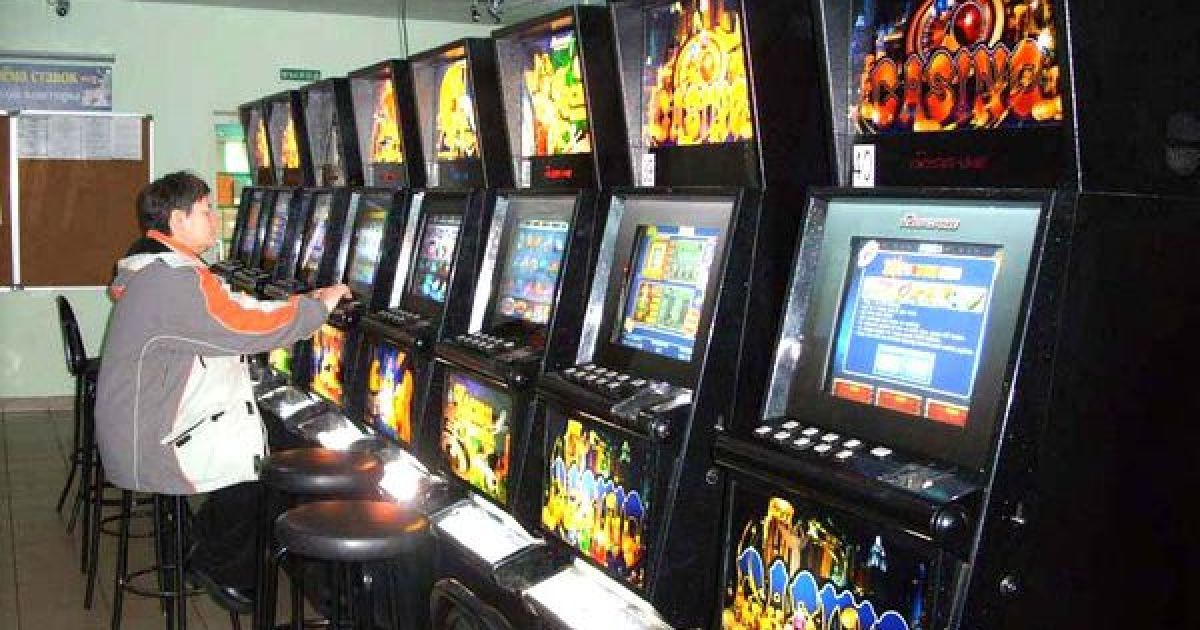
Pin Up Casino: A Modern Perspective on Gambling
Pin Up Casino represents the modern evolution of gambling, blending traditional practices with contemporary technology. This online platform exemplifies how gambling has adapted to the digital age, offering players an extensive array of games, live dealer experiences, and enticing bonuses. Such innovations demonstrate the ongoing relevance of gambling in society, making it accessible to a broader audience.
At Pin Up Casino, players are not only offered a place to gamble but also a sense of community through features such as chat rooms and social interactions during games. This shift reflects the importance of maintaining social connections in an increasingly digital world. Furthermore, the array of bonuses available enhances the gaming experience, allowing players to maximize their enjoyment and engagement.
As gambling continues to evolve, platforms like Pin Up Casino play a crucial role in shaping perceptions and experiences surrounding this age-old activity. By embracing modern technology while respecting historical roots, they provide a unique space for individuals to engage in gambling responsibly. This balance between tradition and innovation emphasizes the enduring cultural significance of gambling across different societies.
Recent Comments